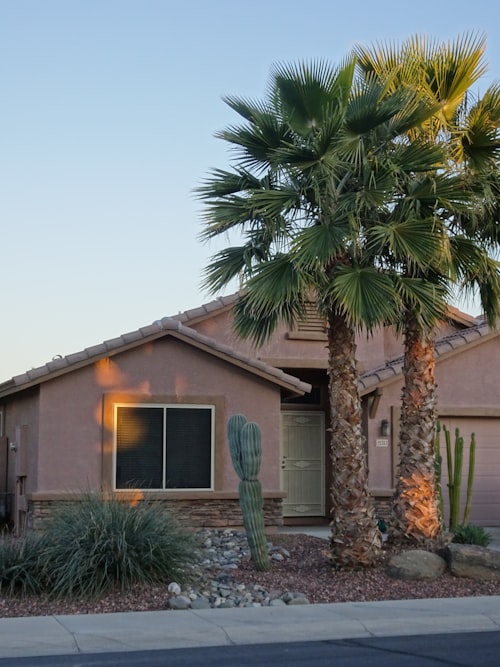
Selling and Buying at the Same Time: How I Sold a Mesa Home $14,000 Above Zillow and Closed Both Deals the Same Day
Selling one house while buying another is one of the most stressful things you can do in real estate. Now add a contract deadline, a slowing market, and a Zillow estimate that came in way lower than what you need. That was the situation for a couple I worked with earlier this year. They were selling their home in a 55+ community in Mesa and moving up to Northern Arizona. I represented them on both sides, the sale in Mesa and the purchase up north. Here's exactly what made it hard and how we got it done.

Sell in Mesa, Buy a Cabin Up North in Cash
My clients had found a smaller cabin in Northern Arizona in a beautiful area, with plans to add a few touches over their first few months to make it their own. I drove up with them to see it. Their plan was simple on paper: sell their Mesa home, use the proceeds to buy the cabin in cash, and pay off their HELOC and a few small debts along the way.
That meant they didn't just need to sell. They needed to net a specific number, and they had a firm move date because of a new job up north.
What Made It Tricky
- A sale contingency with a clock on it. Their cabin offer depended on selling the Mesa house, and we had 30 days to get it under contract.
- A starting price above the comps. They wanted to start at $620,000. Recent sales of the same model, with a similar lot and square footage, were in the mid $500s.
- A slowing market. We went live in late spring heading into summer, when activity was cooling off, and 55+ communities tend to have a smaller, more seasonal pool of buyers.
- A low Zillow estimate. Zillow had the home at $576,000. Buyers see that number and anchor to it, and it makes sellers nervous too.
How We Solved It
1. We started with the number they needed to walk away with
Before we picked a list price, we worked backward from their goal: the cabin price, the HELOC payoff, and the other debts they wanted cleared. Knowing their real bottom line kept every decision after that grounded, from pricing to negotiating repairs.
2. We wrote the cabin offer so they could buy before selling
Since I was also their buyer's agent up north, I structured their cabin offer with a home sale contingency. It let them lock up the cabin they wanted without having to sell first, as long as we got the Mesa house under contract in time.
3. We marketed it like we had something to prove
With a deadline running, there was no easing into it. We launched with:
- Professional photography, videography, and drone footage
- A Zillow 3D walkthrough
- Online ads, including out-of-state marketing to buyers relocating to Arizona
- Mailers and multiple open houses
- Direct agent-to-agent marketing
I also brought in a few agents who work in that community regularly. They gave us honest feedback on staging and presentation, and we made changes that helped the home show better in person and online.
4. We let the data drive the price
We started where my clients wanted, at $620,000. Based on the comps, I had recommended closer to $600,000. As the price came down toward what the market supported, views and showings picked up substantially. The right price doesn't just attract offers. It gets you in front of more of the right buyers in the first place.
5. We used leverage to extend the deadline
The 30 days ran out before we had an accepted offer. Normally that's where a contingent buyer might have to walk away. But we had leverage: we were already in contract on the cabin, and summer was a slow time up north too. For the cabin seller, keeping a committed buyer was a lot more appealing than going back on the market and starting over. We negotiated an extension.
With about five days left on that extension, we got an accepted offer on the Mesa house and satisfied the contingency.
6. We made repairs instead of handing over a big credit
After the buyer's inspection, they asked for thousands of dollars in credit. The actual issues were small: a conduit on the AC unit and a few minor roof items. Because we knew the contract well, we knew these particular repairs didn't legally require a licensed contractor. So instead of writing a big check at closing, my sellers handled the fixes for a fraction of the cost. Same result for the buyer, a lot more money in my clients' pocket.
7. We closed both deals on the same day
Representing both sides of their move made coordination much easier. We lined up the Mesa sale and the cabin purchase to close on the same day, so they never had to carry two homes or find temporary housing, and they made it up north in time for the new job.
$590,000 Sale, $14,000 Above Zillow, Two Closings in One Day
- Sold for $590,000, about $14,000 above the $576,000 Zillow estimate
- Comparable homes of the same model were selling in the mid $500s, and this was the highest sale for that model in the community at the time
- Satisfied the sale contingency with about five days to spare after negotiating an extension
- Avoided a credit of several thousand dollars by handling small repairs directly
- Closed the sale and the cabin purchase on the same day, on the timeline they needed
Selling Your Home to Buy Another? Here's What I'd Tell You
- Know your net, not just your price. Start with what you need to walk away with and work backward.
- Your Zestimate is a starting point, not an appraisal. It's an automated estimate. It can't walk through your home, see your upgrades, or read the market the way recent sales and buyer activity can.
- Price for the market you have. Starting high and chasing the market down costs you time, and time is expensive when you have a contingency deadline.
- Deadlines can sometimes be extended. If the other side has a reason to keep you, you have leverage. Know what it is before you need it.
- Don't automatically say yes to a credit. Sometimes fixing a small item costs far less than the credit being requested. Ask your agent to run both options.
- One agent on both moves makes life easier. When the same person is handling your sale and your purchase, the timelines actually talk to each other.
Selling and Buying at the Same Time?
Tell me what you need to net and when you need to move. I'll help you build a plan for both sides so one deal doesn't derail the other.
Let's Make a PlanBuying instead? See how I helped Oregon buyers purchase in Gilbert before selling their home. Curious about 55+ living in the East Valley? Check out Encore at Eastmark on my neighborhoods page.
Client names and identifying details have been left out to protect their privacy. Every transaction is different, and whether a repair requires a licensed contractor depends on the contract terms, the scope of work, and Arizona law.
Questions About Selling and Buying at the Same Time
Can I buy a new home before I sell my current one in Arizona?
Often, yes. You can make an offer contingent on the sale of your current home, which gives you a set amount of time to get your home under contract. Some buyers also qualify to buy without selling first. A lender and your agent can help you figure out which option fits.
What happens if my home doesn't sell before the contingency deadline?
It depends on your contract. In some cases you can negotiate an extension, especially if the seller of the home you're buying would rather keep you than go back on the market. If no extension is agreed to, you may have to cancel the purchase.
Is my Zillow estimate accurate?
A Zestimate is an automated estimate based on public data and recent sales. It can be a useful starting point, but it can't see your home's condition, upgrades, or presentation. A pricing analysis from a local agent based on recent comparable sales is more reliable.
Is it better to make repairs or give a credit after the inspection?
It depends on the items and the cost. For small repairs, fixing them directly can cost far less than the credit a buyer requests. Some small jobs that don't require a permit may not legally require a licensed contractor in Arizona, but always check the contract terms and the scope of work first.