Why I Left Physical Therapy for Real Estate
I spent about a decade as a physical therapist. I went to school in California, moved back home to Arizona, and built a career I was proud of. In October 2025, I walked away from it, and in January 2026 I went all in on real estate. If you're a PT reading this, you might be curious, skeptical, or quietly wondering if you could do the same thing. This post is for you. It's not a breakup letter to physical therapy. It's an honest look at what I loved, what didn't fit me, and what I found on the other side.
What I Loved About Being a Physical Therapist
Let's start here, because it matters. I loved helping people. I loved solving problems, working with my hands, and the day-to-day conversations with patients and coworkers. Building relationships with people over weeks of visits is something special.
The best part was watching someone show up hurting and leave a few weeks later with a new sense of excitement, back to their golf game, their grandkids, their job. Knowing you played a role in that never gets old. PT is a good profession full of good people. None of what follows changes that.
The Parts That Didn't Fit Me (and What Real Estate Changed)
Over time I realized the things that frustrated me weren't really about patients or coworkers. They were about the structure of the job, and whether it matched the kind of person I am. Here's what I mean.
My Pay Was Set by Insurance, Not by Results
In outpatient PT, reimbursement rates drive almost everything: what interventions you can do, how many visits get covered, and ultimately what you get paid. A great PT and an average PT bill the same codes and get reimbursed about the same. I could work incredibly hard and earn roughly what someone giving less effort earned. For a lot of us who went through years of school because we're high performers, that's a tough pill.
What changed: In real estate, effort and results show up directly in what I earn. There's no salary to fall back on, which is its own kind of scary. But nobody else decides what my work is worth.
The Only Way to Earn More Was to See More Patients
PT income is production based. If you want to make more, you see more people. I didn't want to see 20 to 25 patients a day, because I knew that spreading myself that thin meant I wasn't giving each person my best. My income felt capped by how many hours exist in a day.
What changed: Real estate scales differently. A bigger sale doesn't require me to clone myself, and systems, a strong team, and referrals let my business grow without sacrificing the quality of service each client gets.
I Wanted a Bigger Challenge
This one's hard to say without sounding arrogant, so let me just say it plainly: after a few years, most of the problems I saw had familiar solutions. The work started to feel repetitive. I also became more aware of how many common PT interventions don't have strong research behind them, which made some of the routine feel arbitrary to me.
What changed: Every real estate deal is a different puzzle. Different people, different houses, different financing, different curveballs. I learn something new every single week, and I love that.
Outcomes Depended on Whether People Were Ready
In psychology, the Transtheoretical Model (also called the Stages of Change) describes how people move through precontemplation, contemplation, preparation, action, and maintenance before a behavior change sticks. PT works best when someone is in the action stage. But a lot of patients arrive earlier than that, often because a doctor sent them, and they aren't ready to overhaul their habits yet. That's completely human. It just meant a lot of the outcome was outside my control, and that was frustrating for someone who cares about results.
What changed: By the time someone calls me about buying or selling a home, they're usually already in the preparation or action stage. They're ready to move, and my job is to get them there smoothly.
I Wanted to Make Every Call Based on My Own Values
There were moments in my career when I felt pressure to make decisions that didn't line up with my values. I won't get into specifics, and I know plenty of clinicians work in places where that never happens. But it stuck with me.
What changed: When I became my own boss, I made myself a promise: I will never do anything in this business that makes it hard to sleep at night. That promise drives how I treat every client.
The Numbers Every PT Should Know
If you've ever felt like the deck is stacked against you in this profession, you're not imagining it. A few data points:
- The debt is real. APTA data from 2020 put the average total student debt for PTs at about $142,489, and roughly 90% of PTs graduate with debt.
- The pay hasn't kept up with the debt. The median annual pay for physical therapists was $102,760 according to the Bureau of Labor Statistics, which means average debt can be more than a full year of median pay. And that's after a three year doctorate.
- Reimbursement went backward for years. The Medicare conversion factor dropped from $36.09 in 2020 to $34.89 in 2021, followed by more cuts through 2024, roughly an 8% decline over four years by some estimates. 2026 brought the first fee schedule increase in five years, which APTA estimated at about 1.75% on average for PTs.
- Burnout is common. A systematic review and meta-analysis of nearly 6,000 physiotherapists in 17 countries found about 27% showed high emotional exhaustion, one of the core dimensions of burnout.
None of that means PT is a bad career. It means if you're feeling worn down, there's a structural reason, and it's not a personal failure.
Why I Didn't Just Open My Own PT Clinic
People ask me this a lot. Owning a clinic is the classic way PTs grow their income, and I did think about it. But when I looked at the business model, scaling a clinic usually means more patient volume, tighter schedules, more pressure on reimbursement, and asking your employees to carry heavier caseloads. Those were exactly the things I wanted to get away from. I didn't want to build a business that would burn out my own team.
Real estate gave me the scalability I was looking for without asking anyone to see 25 patients a day.
How I Actually Made the Switch
It wasn't one big dramatic leap. It was a slow build.
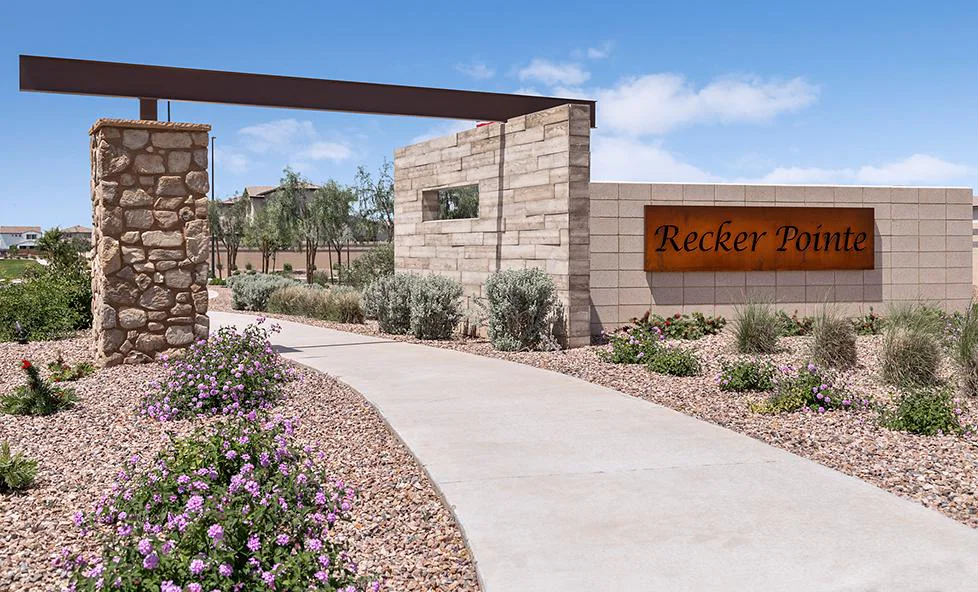
- 2020: We got into investing. My wife Cass and I bought our house in Recker Pointe, and she planned to sell her house in Mesa. I talked her into keeping it as a rental. We were nervous at first, but over time it got a lot more comfortable.
- 2022: The backup plan. During COVID, the PT office I worked at furloughed a coworker, and I was likely next in line. So I got my real estate license as a backup. I did a couple of deals a year on the side, and my father-in-law helped train me and get me up to speed.
- A few years later: Rental number two. We pulled equity from our Mesa rental and our home and bought a second rental in Chandler.
- October 2025 to January 2026: The leap. Between burnout and frustration with where the profession was heading, I left PT in October 2025 and went full time in real estate in January 2026.
- 2026: Rental number three, and a new team. I cashed out some investments for a down payment on our third rental in Ahwatukee, and I joined The Max Team at Realty ONE Group. All three rentals have long-term tenants.
If you want the details on how we bought that first rental, I wrote a whole post on how to get your first investment property in Arizona.
The Hardest Part: Letting Go of the Title
Nobody warned me about this one. Being a PT came with a certain identity. Healthcare, a doctorate, the "Dr." in front of your name. It felt good, and it felt like it commanded respect. Real estate has a low barrier to entry, and that comes with a reputation.
Here's what I've learned, though: a lot of agents aren't very good at what they do, which means there's a lot of room for people who are. The same drive that made me a good PT is making me a good realtor. It's been about a year, and I'd be lying if I said the imposter syndrome was totally gone. But it gets quieter every month.
What I Still Bring From PT
- Customer service. PT taught me what it looks like to take care of someone. I try to go above and beyond for every client.
- Rapport and communication. Explaining a diagnosis and explaining an inspection report aren't that different. My job is to make sure people understand their options so they can make informed decisions.
- Keeping things calm. Buying or selling a home is stressful. I try to keep things mellow and carry as much of that stress as I can so my clients don't have to.
What I Miss
I miss my patients. I miss seeing someone finally feel good again. And I miss meeting so many different people every single day, which honestly doesn't happen as often in real estate. I still keep my PT license active, and I don't think the PT part of me is ever going away.
If You're a PT Thinking About Making a Change
First, you're not crazy, and you're not ungrateful. You can love helping people and still want a career that fits you better.
- You don't have to leap all at once. I built a backup plan for a few years before I made the jump.
- Your skills transfer more than you think. Communication, problem solving, empathy, and showing up for people matter in almost every field.
- Look at the business model, not just the job. Ask how people in that field earn more. If the answer is "work more hours," you may just be trading one ceiling for another.
- Talk to people who've done it. Including me. I'm happy to grab coffee with any PT thinking about real estate, investing, or just a different path.
PTs and Healthcare Folks, Let's Talk
Whether you're thinking about a career change, buying your first home, or starting to invest, I've been in your shoes. Reach out anytime.
Send Me a MessageMore for healthcare workers: the best neighborhoods near Banner Gateway and Mercy Gilbert and how lenders count overtime and shift pay.
Sources: U.S. Bureau of Labor Statistics, Physical Therapists; APTA 2020 student debt data as reported by Physitrack; APTA on the 2026 Medicare fee schedule; Medicare cuts 2020 to 2024 summary (Luna); Prevalence of burnout among physiotherapists, systematic review and meta-analysis; Prochaska and DiClemente's Transtheoretical Model of behavior change.
Questions PTs Ask Me About Switching Careers
Why do physical therapists leave the profession?
Common reasons include high student debt compared to pay, insurance reimbursement that limits both treatment and income, production-based schedules that push patient volume, burnout, and a lack of pay tied to outcomes. For me, it was mostly about wanting income tied to results, more challenge, and a business that could scale without seeing more patients per day.
Can a physical therapist become a real estate agent?
Yes. In Arizona you complete a 90-hour pre-licensing course, pass the state exam, and hang your license with a brokerage. Many PT skills, like communication, empathy, and problem solving, transfer directly. I got my license in 2022 while still working as a PT.
Should I quit physical therapy all at once?
You don't have to. I got my real estate license in 2022, did a couple of transactions a year on the side, and built up rental properties before leaving PT in October 2025. A gradual transition lowers the financial risk.
Do you still have your physical therapy license?
Yes. I keep my PT license active through continuing education. The PT part of me isn't going anywhere.