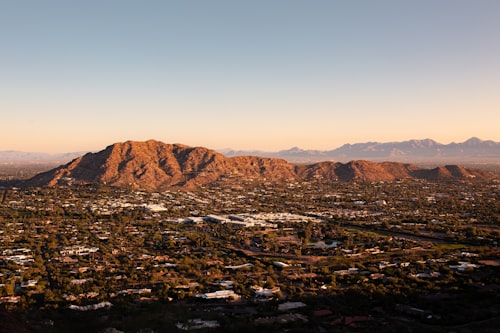
The Homebuying Process: Start to Finish in Arizona
I've watched buyers come into the process stressed, overwhelmed, and convinced they're going to miss something important. That stress is almost always rooted in not knowing what comes next. So let me fix that. Here is the full homebuying process in Arizona, broken down step by step, with nothing left out and nothing sugarcoated. Whether you're buying for the first time or you just haven't done it in a while, this is the honest guide.
The Typical Arizona Homebuying Timeline
Step 1: Get Honest About Your Finances First
The biggest mistake buyers make is starting the home search before they know what they can actually afford. It sounds backwards to lead with finances instead of with the fun part (the house), but skipping this step creates heartbreak later.
Pull your credit reports from all three bureaus at annualcreditreport.com. Dispute any errors you find. Know your score. For a conventional loan, you'll want a score of at least 620, though 680-plus gives you access to better rates and terms. FHA loans are available with scores as low as 580, but the mortgage insurance costs add up. VA loans, for those who qualify, typically require a 580-640 minimum with no down payment required.
Calculate your debt-to-income ratio. Add up all your monthly minimum debt payments (car, student loans, credit cards, any other loans) and divide by your gross monthly income. Most lenders want this below 43-45%. If you're above that, either reduce some debt before applying or look at loan programs with higher DTI allowances.
Figure out your cash position. Down payment is part of it, but so are closing costs (typically 2-3% of the purchase price), prepaid expenses (homeowners insurance, property tax escrow, first mortgage payment), and moving costs. Plan for the full number.
Get Pre-Approved, Not Just Pre-Qualified
These are two different things and the difference matters. Pre-qualification is an informal estimate based on information you self-report. Pre-approval is an actual review of your credit, income, and assets by a lender, resulting in a letter that states the loan amount and type you qualify for.
In a competitive market like the East Valley, sellers and their agents take pre-approved buyers much more seriously. In some cases, they won't even consider an offer without one. Get this done before you start touring homes.
Talk to multiple lenders, ideally 2-3, and compare rates, fees, and the experience of working with each one. The lender you use will have a significant impact on your transaction experience, not just your rate. A slow or disorganized lender can kill a deal even when the buyer and seller are both motivated.
Choose a Realtor Who Works for You
In Arizona, buyer representation is typically at no direct cost to you. The seller typically compensates both agents through the transaction. This means you can have an experienced advocate in your corner at no additional out-of-pocket expense. Don't skip this.
The right buyer's agent is someone who knows the local market deeply, communicates clearly, and has your best interests as the actual priority. Interview a few people. Ask how many transactions they closed last year, what areas they specialize in, and how they handle multiple-offer situations. Ask if they invest in real estate themselves. An agent who has skin in the game brings a different perspective to the table.
My job as your agent is to help you find the right home, negotiate the best possible terms, identify red flags before you're under contract, and guide you through every step of the process without confusion. If you want to talk through whether I'm a good fit for your situation, just reach out.
Define What You're Actually Looking For
Before you start touring, sit down and get clear on your priorities. Not just the fun stuff like "I want a pool" but the real decisions: school district, commute tolerance, lot size, new construction versus resale, HOA or no HOA. Knowing your must-haves, nice-to-haves, and absolute deal-breakers lets your agent filter efficiently instead of overwhelming you with every listing on the market.
Gilbert and the surrounding East Valley communities offer a wide range of options, from established neighborhoods with mature trees and larger lots to new builds in master-planned communities with every amenity imaginable. Each has a different price profile and trade-off. Understanding the neighborhoods before you shop saves a lot of wasted time.
One thing I always tell buyers: don't fall in love with a house before you've fallen in love with the location. You can renovate a kitchen. You can't renovate your commute.
Make an Offer That's Competitive and Clear
When you find the right house, we move fast. Your agent will prepare a purchase contract that includes the offer price, your earnest money deposit (typically 1% of purchase price in Arizona), your loan type and pre-approval, any contingencies, and your proposed close of escrow date.
Contingencies protect you. The inspection contingency gives you the right to negotiate or exit based on what the inspector finds. The appraisal contingency protects you if the home appraises below the purchase price. The loan contingency protects you if financing falls through. In a seller's market, some buyers waive contingencies to be more competitive, but that carries real risk. We'll talk through the right approach for your specific situation.
Earnest money is a good-faith deposit that goes into escrow and is credited back to you at closing. During the inspection period, it's refundable if you cancel for any reason covered by your contingencies. After the inspection period expires, it becomes at-risk if you cancel without a valid contingency trigger.
The Inspection Period: Your Most Important Window
In Arizona, the standard inspection period is 10 days from acceptance, though this is negotiable. During this window, you hire a licensed home inspector to evaluate the physical condition of the property. This typically costs $350-$600 depending on the size of the home.
Read the full inspection report. Don't just skim the summary. Your inspector should walk through the property with you if possible, so you understand what everything means in context. A long report full of minor items is normal and not a reason to panic. A report with foundation issues, major roof damage, or significant electrical problems is a different conversation.
Based on the inspection, you have several options: request that the seller make repairs, ask for a price reduction or credit at closing, accept the property as-is, or exit the contract and receive your earnest money back. This is where having an experienced agent matters. Knowing which defects to push on and which to let go is a skill, and it comes from doing this a lot.
The Appraisal and Underwriting Process
Once you're past the inspection and any repair negotiations, your lender orders an appraisal. An independent appraiser visits the property and provides a formal valuation. Your lender will not loan more than the appraised value of the home.
If the home appraises at or above the purchase price, you're in great shape. If it appraises below, you have options: negotiate a lower price with the seller, cover the gap with additional cash, challenge the appraisal with supporting data (your agent can help with this), or exit the contract using your appraisal contingency.
While the appraisal is happening, your loan is also moving through underwriting. This is where the lender verifies every document you submitted: tax returns, pay stubs, bank statements, employment. Do not make any major financial changes during this period. No new credit applications, no large cash deposits without documentation, no job changes. Underwriting is not the time to buy a car or open a new credit card.
Final Walkthrough and Closing Day
The day before or the morning of closing, you'll do a final walkthrough of the property. This is your opportunity to confirm the home is in the same condition as when you signed the contract, that any agreed-upon repairs are complete, and that nothing has been removed or damaged. Take your time with this. It's one of the last chances to flag anything before the transaction is final.
Closing happens at a title company in Arizona, not at a courthouse or attorney's office like some other states. You'll sign a substantial stack of documents (some of it feels redundant, but you're required to sign all of it), wire your remaining down payment and closing costs, and then the title company records the deed with the county.
Once it records, the house is yours. Keys are typically handed over on the day of recording, though the exact timing depends on what's negotiated in your contract. And then you celebrate, because you just bought a home.
A Few Things Nobody Tells You Until It's Too Late
Don't go furniture shopping until after closing. Financing is not final until the deed records. Buyers have lost their loan approval by going into debt between pre-approval and closing. Everything can wait.
Closing costs are real and they add up. Get a loan estimate from your lender early in the process and ask for a breakdown of every fee. Some are negotiable. Some are not. Knowing the number ahead of time prevents a lot of stress at the closing table.
Your credit should stay quiet from pre-approval through closing. No new accounts, no large purchases on existing cards, no co-signing for anyone else. Lenders pull credit again before funding, and a change in your credit profile can derail the whole thing.
Being pre-approved and being truly ready are different things. Pre-approval tells you what a lender will give you, not necessarily what you should spend. Build a budget that accounts for your actual life, including property taxes, HOA fees if applicable, maintenance reserves, and utilities in Arizona's summer heat. Know your real number, not just the maximum number.
Ready to Start the Process?
Whether you're 6 months out or ready to move now, let's have a real conversation about what the process looks like for your specific situation.
Talk to JakeFrequently Asked Questions About Buying a Home in Arizona
How long does the homebuying process take in Arizona?
From accepted offer to close of escrow, the typical Arizona transaction takes 30-45 days. Add 2-4 weeks on the front end for pre-approval and home search, and most buyers are in their new home within 45-75 days of starting the process in earnest.
How much do I need for a down payment to buy a home in Arizona?
It depends on your loan type. FHA loans require 3.5% down. Conventional loans start at 3-5% for first-time buyers. VA loans require 0% down for eligible veterans. Putting down 20% eliminates private mortgage insurance on conventional loans, which saves money monthly. Your lender will help you find the right fit.
What is earnest money and how much is typical in Arizona?
Earnest money is a good-faith deposit made when you go under contract, typically 1% of the purchase price in Arizona. It's credited back to you at closing and is refundable during the inspection period if you decide to exit. After the inspection period ends, it's at risk if you cancel without a valid contingency.
What are closing costs in Arizona?
Buyers typically pay 2-3% of the purchase price in closing costs in Arizona, including loan origination, title insurance, escrow fees, prepaid taxes and insurance, and recording fees. You can sometimes negotiate for the seller to contribute to your closing costs as part of the offer.
Do I need a realtor to buy a home in Arizona?
You are not legally required to use a realtor, but having an experienced buyer's agent is strongly advisable. In Arizona, buyer representation is typically at no direct cost to you as the buyer. Your agent negotiates on your behalf, coordinates the transaction, and protects your interests at every step.

I'm a Gilbert-based realtor with Realty One Group. I help buyers navigate the East Valley market from first conversation through closing day. I also invest in real estate myself, which means I understand what's at stake at every step of this process. Arizona DRE #SA702832000.
More About Jake →